From Scar to Sanctuary: Reimagining Quarries as Living Parks
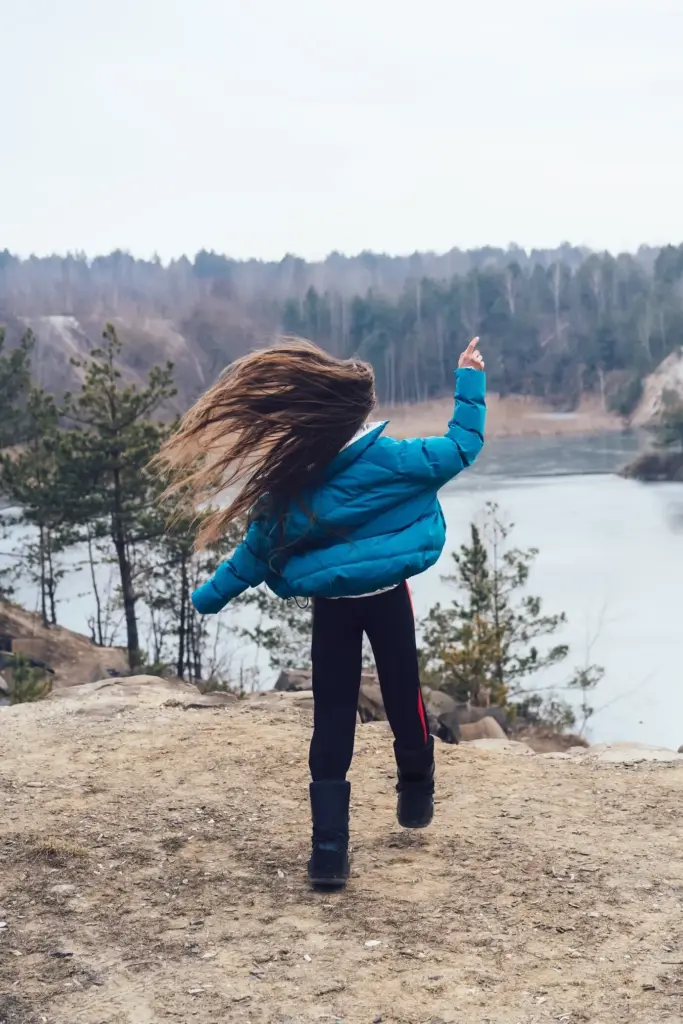
Today we explore how disused quarries are reborn as vibrant public parks, where cliffs become stages for biodiversity, pit lakes turn into reflective hearts of community life, and industrial memory guides design. We’ll unpack design strategies, ecological recovery, safety, funding, and inspiring stories, inviting your ideas, questions, and experiences to shape future transformations where resilience, culture, and play coexist.
Understanding the Pit’s Bones
Before planting a single shrub, teams map strata, faults, and weathering patterns, asking how rain, freeze-thaw, and gravity will behave against exposed faces. That knowledge informs safe slopes, viewing platforms, and trails that respect the quarry’s monumental drama while welcoming everyday walkers, school groups, and birders seeking shade, shelter, and memorable perspectives across water, stone, and sky.
Soils from Scratch
Quarries rarely offer fertile ground, so restoration blends screened fines, compost, biochar, and mycorrhizal inoculants to jumpstart living soils. Layering microtopography captures moisture and seeds, while pioneer grasses and legumes fix nitrogen, improving structure. Over years, organic matter builds, enabling oaks, willows, and wildflowers to flourish where loaders once roared, stitching continuous habitat for insects, amphibians, and nesting birds.
Water as Architect
Pit lakes, sumps, and perched aquifers become design partners, shaping wetlands, beaches, and overlooks. Forebays trap sediment; gentle shelves improve safety; aeration combats stratification. Boardwalks skirt reed beds where dragonflies patrol. Stormwater swales polish runoff before it meets the lake, creating teachable, visible cycles where children learn that clean water depends on soil, plants, microbes, and careful maintenance.
Geology Rewritten by Green
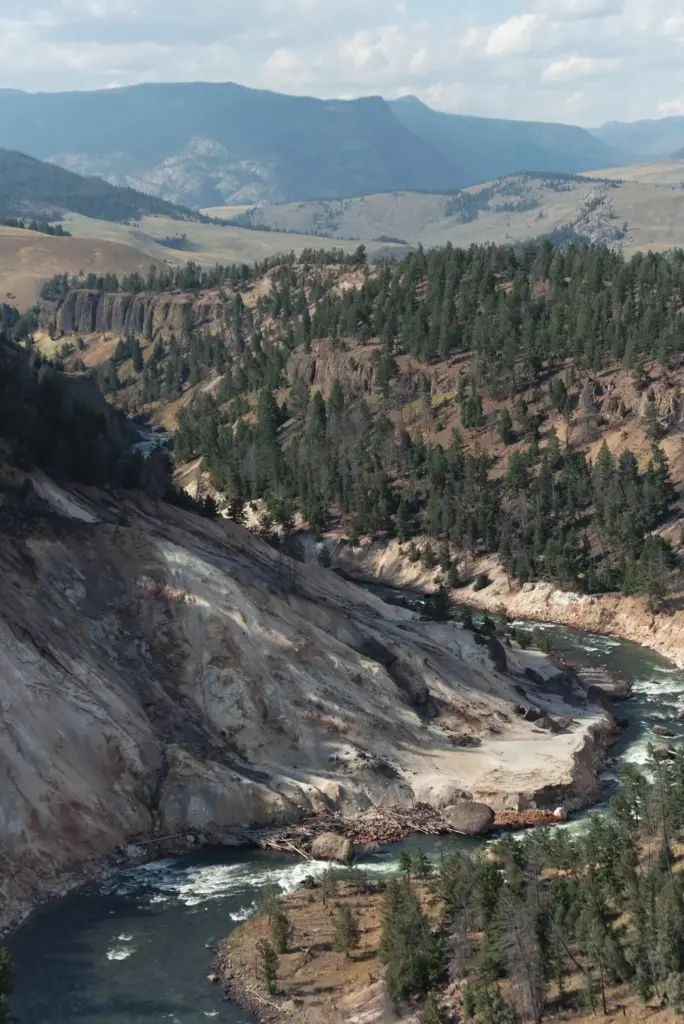
Beneath every successful park reborn from extraction lies a thoughtful reading of stone, fracture lines, and hydrology. Designers stabilize towering faces, soften benches, and coax soils onto sterile rubble. The result honors dramatic geology while nurturing life, inviting visitors to witness a dialogue between enduring bedrock and patient ecological repair that unfolds season by season, decade by decade.
Designing Welcoming Journeys
Access Without Barriers
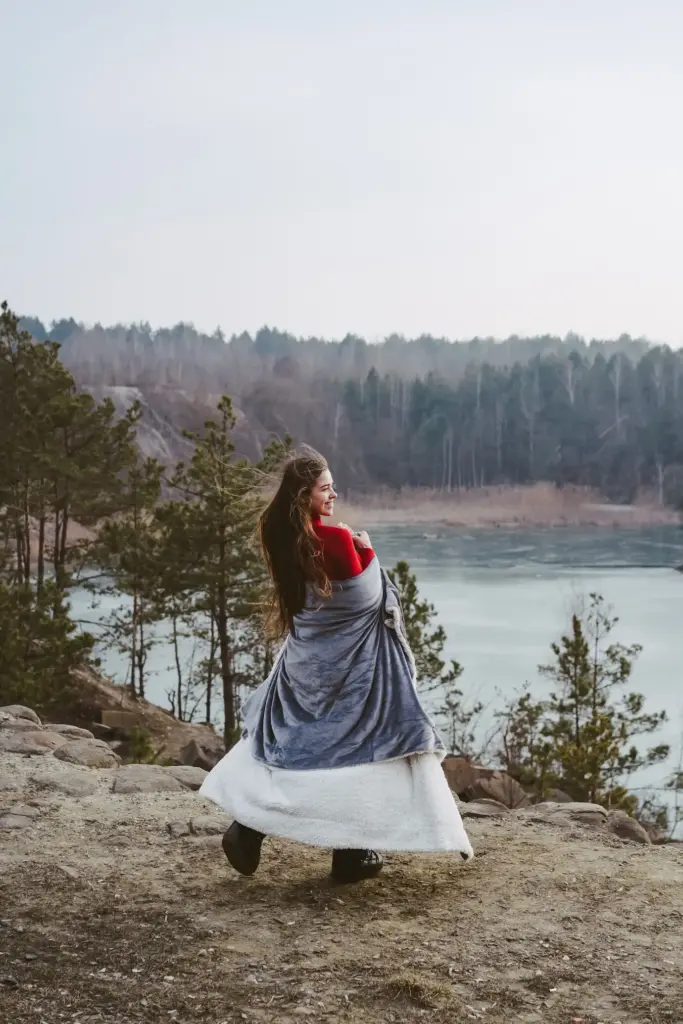
Graded switchbacks, rest intervals, and tactile cues translate steep quarry geometries into enjoyable journeys. Ramps meet standards without sacrificing excitement, weaving past stone faces and vegetation. Continuous handrails, contrasting edges, and seating at scenic pauses ensure dignity and independence, proving that thrilling landscapes can be inclusive, safe, and legible for visitors moving at different speeds, abilities, and moods.

Edges, Vistas, and Drama
Overlooks cantilever toward shimmering lakes, while modest railings preserve expansive views across exposed strata. Planting frames vistas without erasing geology, and subtle lighting extends evening use without harming night skies or wildlife. Designers choreograph anticipation and release, alternating compression and openness so each turn reveals a surprise: a ferny crevice, a sunlit meadow, or a quiet water stair.
Stories in the Stone
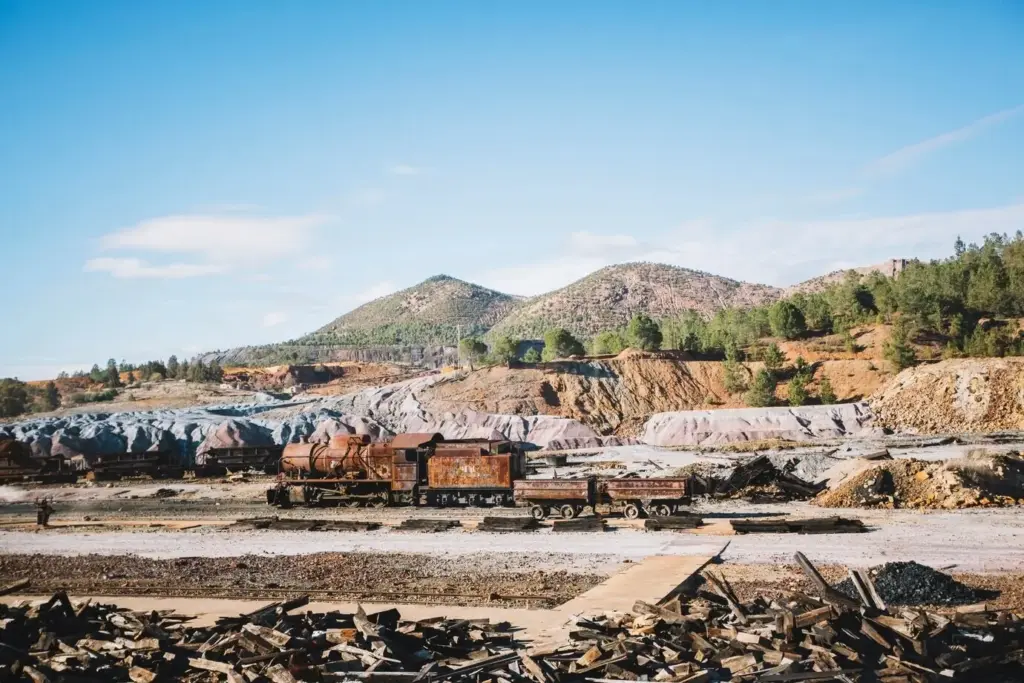
Interpretive elements celebrate workers, tools, and craft alongside ecological renewal. Rather than museum-like plaques alone, embedded timelines in paving, repurposed drill cores, and augmented audio guides invite discovery. Kids trace fossils with fingertips; elders recall shifts and whistles. The landscape becomes a living archive where human industry and nature’s patient return share equal dignity and wonder.
Ecology Returns with Patience
Planting for Succession
Start rugged: nurse shrubs, deep-rooted grasses, and seed mixes tailored to pH and aspect. Then interplant long-lived canopy species and understory bloomers for seasonal nectar and shelter. Thin thoughtfully as shade deepens. The goal is a self-weaving mosaic where plants collaborate with wind, birds, and microbes to write a dynamic, site-specific story that remains resilient through droughts.
Wildlife Finds a Home
Cliff crevices offer nesting for swifts; bat boxes hang near warm faces; log piles host beetles and fungi. Shallow coves invite amphibians; stepping-stone ponds guide dragonflies. Quiet refuge zones limit disturbance during breeding seasons. Monitoring with community scientists builds pride and knowledge, turning casual visitors into stewards who celebrate each returning species as a milestone of recovery.
Battling the Invaders
Weeds seize disturbed ground, so success requires early detection and steady, non-heroic responses: mulching, targeted removal, and competitive native plantings. Clear volunteer protocols prevent well-meant harm. Over time, healthier soils, shade, and dense groundcovers suppress opportunists, reducing labor. The win is not elimination, but balance, where resilient ecosystems can absorb pressure without losing identity or function.
Safety, Stewardship, and Operations
Great parks anticipate risks while inviting exploration. Gentle beach shelves and clear depth markers replace forbidding fences. Water quality is tested, paths drained, and rockfall zones respected. Maintenance crews, rangers, and volunteers coordinate through seasonal task calendars. Transparent communication builds trust, turning operational routines into a visible promise that play, beauty, and responsibility can thrive together.
Risk Managed by Design
Instead of warning signs alone, form leads safety: regraded slopes calm momentum, plant thickets deter shortcuts, and overlooks contain subtle fall protection. Lifebuoys, lighting, and smart wayfinding address real hazards without scaring visitors away. Training staff to discuss risks kindly cultivates confidence, helping people read the landscape and make choices that suit weather, season, and ability.
Care That Scales
Budgets rarely match aspirations, so assets are cataloged and prioritized: high-use nodes receive frequent attention, while wilder zones follow seasonal rhythms. Native plant palettes reduce irrigation; durable materials cut repairs. Partnerships with universities and local businesses expand capacity, making maintenance a civic collaboration where pride grows alongside habitat quality, cleanliness, and long-term financial resilience across fluctuating cycles.
People Power
Volunteer days pull neighbors into meaningful work: planting, monitoring frogs, or mapping trails. Simple tools, good gloves, and celebratory snacks turn effort into tradition. Clear tasks with visible impact keep energy high. As ownership spreads, vandalism drops and feedback improves, creating a loop where the park increasingly reflects the hopes, skills, and care of its surrounding community.
Culture, Memory, and Local Economies
Quarry rebirths can anchor identity and livelihoods. Public art honors labor, markets activate plazas, and small cafes extend dwell time. Tourism follows remarkable stories told honestly, not sanitized. Grants and impact investment align with public funds, while operations generate modest revenue. Done well, the result uplifts nearby streets, schools, and businesses without pricing out the very neighbors who believed first.
Global Lessons and How You Can Help
From Butchart Gardens’ limestone pit to the Eden Project’s clay crater and Minnesota’s Quarry Park, one message echoes: big change begins with small, sustained steps. Community voices, patient funding, and ecological humility matter. Share your local quarry, ask questions, and join our updates so your curiosity helps spark the next beloved green landmark where industry once thundered.