From Scar to Sanctuary: Restoring Abandoned Quarries into Thriving Parks
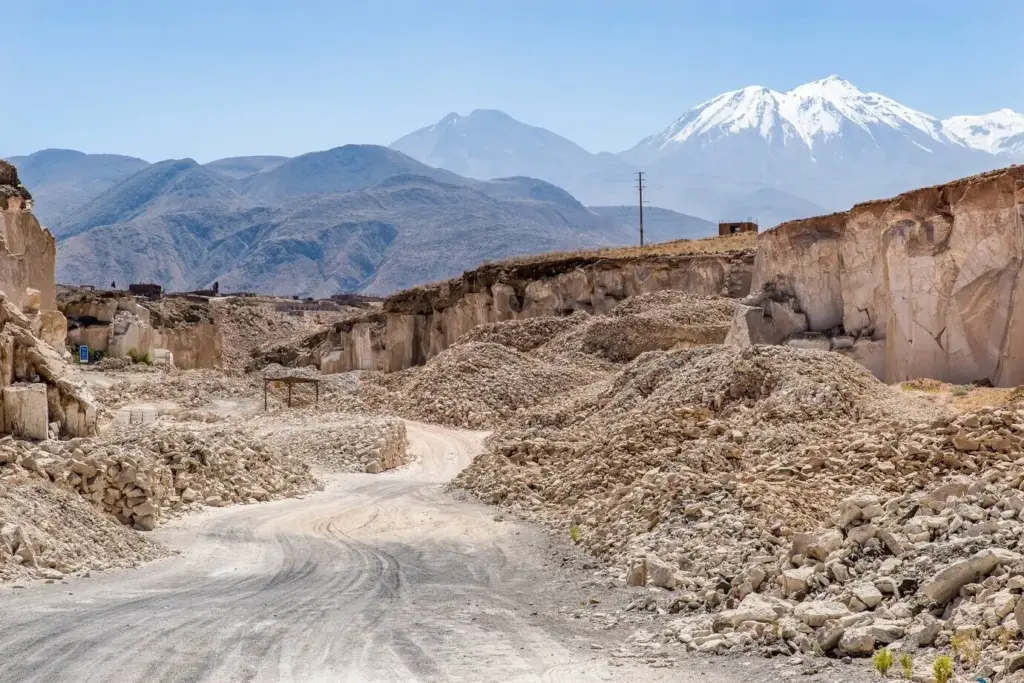
Join a hands-on exploration of ecological restoration techniques for abandoned quarries turned into parks, where geology meets community care and science guides beauty. We will walk through assessment, soil building, water design, planting, green engineering, accessibility, and adaptive stewardship, inviting your experiences, questions, and insights along the way.
Bedrock, Fines, and Storylines
Every restoration decision rests on understanding what lies beneath: limestone benches, granite faces, chalky fines, and backfilled pockets. Mapping strata and spoil quality reveals opportunities for soil creation, cliff habitat, and artful reuse. Meanwhile, oral histories anchor design choices in lived memory, honoring workers and nurturing authentic place identity.
Hydrology Without Haste
Quarry basins store stormwater and concentrate groundwater seeps, demanding careful modeling before reshaping shorelines or installing outlets. We chart inflows, turbidity pulses, and seasonal evaporation to size wetland cells, locate sediment forebays, and prevent flashy runoff, ensuring calm waters welcome amphibians, dragonflies, and delighted visitors year-round.
Safety and Geotechnical Certainty
Steep faces, scree slopes, and hidden voids require geotechnical surveys, rockfall assessments, and thoughtful setbacks. Instead of fences alone, we integrate terraces, planting buffers, and subtle berms that guide movement while maintaining drama. Early diligence protects budgets and lives, unlocking confident creativity when the real restoration work begins.
Building Soil From Rubble
On-site fines mixed with screened compost create rooting volumes where none existed. Biochar locks in nutrients and moderates moisture swings, while mineral amendments balance pH. We sculpt microtopography to collect leaf litter and dew, accelerating humus formation, encouraging invertebrates, and gifting seedlings sheltered niches during vulnerable establishment phases.
Mycorrhizae, Compost, and Biochar
Inoculating planting pits with native mycorrhizal fungi strengthens drought resilience and nutrient uptake. Compost teems with beneficial organisms that kickstart decomposition cycles, while biochar provides long-lived habitat for microbes. Together they form underground alliances, translating rocky substrate into living infrastructure that supports wildflowers, shrubs, and future canopy trees.
Water Reborn: Lakes, Wetlands, and Stormwater Paths
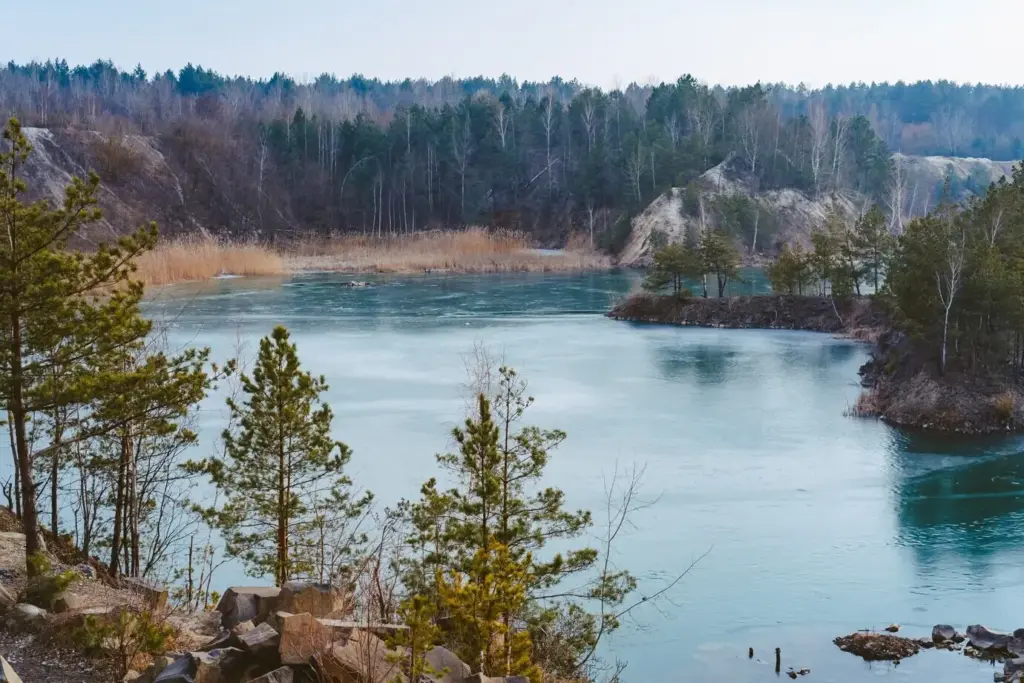
Water is the quarry’s heartbeat. By softening edges, building littoral shelves, and guiding clean inflows, we invite amphibians, emergent plants, and reflective calm. Constructed wetlands polish runoff, gentle cascades oxygenate, and shaded overlooks welcome people to linger, sketch, and learn how function and beauty nourish each other faithfully.
Soft Edges and Littoral Shelves
Replacing vertical banks with graded shelves slows waves, traps sediment, and creates nurseries for minnows and frogs. We plant native rushes and sedges in bands matching depth and sun, weaving logs for microhabitats. These living margins stabilize soils, filter water, and convert a hard pit into breathing shoreline communities.
Constructed Wetlands That Clean and Connect
Layered gravel, distribution pipes, and densely planted wetland cells capture storm pulses, removing nutrients and fine sediments before waters reach the lake. Overflow channels meander through wildflower swales, linking habitats and trails. Visitors witness cleaning in action, a quiet classroom where dragonflies teach children how landscapes heal themselves.
Depth, Aeration, and Safety
Stratified pit lakes can stagnate without help. Floating fountains or diffused aeration prevent anoxic depths, supporting fish and reducing odors. Clear wayfinding, gentle entries, and designated overlooks prioritize safety without sacrificing immersion. Water access becomes intentional, generous, and respectful of both seasonal rhythms and spontaneous human curiosity.
Planting for Succession, Habitat, and Beauty
Planting is choreography, not decoration. We stage pioneer species to shelter slower growers, blend seed mixes for continuous bloom, and stack layers for birds, pollinators, and shade. Local provenance, drought-tolerant palettes, and mosaic spacing ensure resilience, while seasonal color and texture welcome repeat visits and heartfelt stewardship.
Fast-rooting willows, alders, and nitrogen-fixing shrubs break wind, cast dappled shade, and enrich new soils. Under their care, oaks, maples, or pines advance, forming diverse canopies. Patch dynamics maintain light and habitat variety, allowing natural regeneration to choose winners while managers guide balance with gentle interventions.
Sunlit benches erupt with prairie grasses, asters, and milkweed sourced from regional ecotypes. Rotational mowing, targeted weeding, and seed additions maintain color and structure. Nectar corridors stitch cliffs to wetlands, supporting bees, butterflies, and night-flying moths, while picnic clearings and pathways frame ever-changing, photo-friendly horizons.
Cliff faces host ledges for swifts and swallows, while crevice-loving ferns occupy cool seams. We mount bat boxes, install snag clusters, and plant perspiring shade trees near seating. Diversity in height and texture transforms former extraction walls into living theaters where wildlife thrives and visitors quietly applaud.

Green Engineering on Slopes, Edges, and Trails
Ecological engineering turns hazards into highlights. Coir logs, live stakes, and geotextiles stabilize slopes while roots knit fractured soils. Terraces double as lookouts using reclaimed stone. Switchback trails respect contours, shed water gracefully, and welcome wheelchairs, strollers, and joggers without scouring the land that now shelters them.
People, Heritage, and Everyday Belonging
Parks flourish when people feel invited to co-create their future. We weave universal access, shade, and gathering spots with storytelling that honors stone, craft, and labor. Programs for schools, artists, and neighbors turn restoration into shared culture, cultivating pride, care, and the friendships lasting places deserve.
Monitoring, Metrics, and Adaptive Management
Resilience grows from feedback. We set clear indicators, revisit baselines, and celebrate small wins while fixing setbacks. Bird sightings, eDNA samples, turbidity readings, and survival counts inform seasonal tweaks. Transparent reporting invites trust, funding, and patience, keeping the park responsive, science-guided, and joyfully alive through decades.
Baselines, SMART Indicators, and Photo Points
We document soils, vegetation cover, and water clarity before planting, then define specific, measurable, achievable, relevant, and time-bound targets. Fixed photo stations capture visible change for volunteers and funders. Clarity around expectations empowers decisions, reduces arguments, and keeps restoration accountable to both ecological reality and community hopes.
Seasonality, Sensors, and Field Notebooks
Wild systems breathe in seasons, so monitoring follows phenology. Log blooms, migrations, and storm events alongside sensor data from water loggers and simple rain gauges. Field notebooks humanize the numbers, revealing patterns and stories that inspire timely interventions and help newcomers understand why patience always pays.