From Quarries to Community Parks: Financing and Governance That Deliver
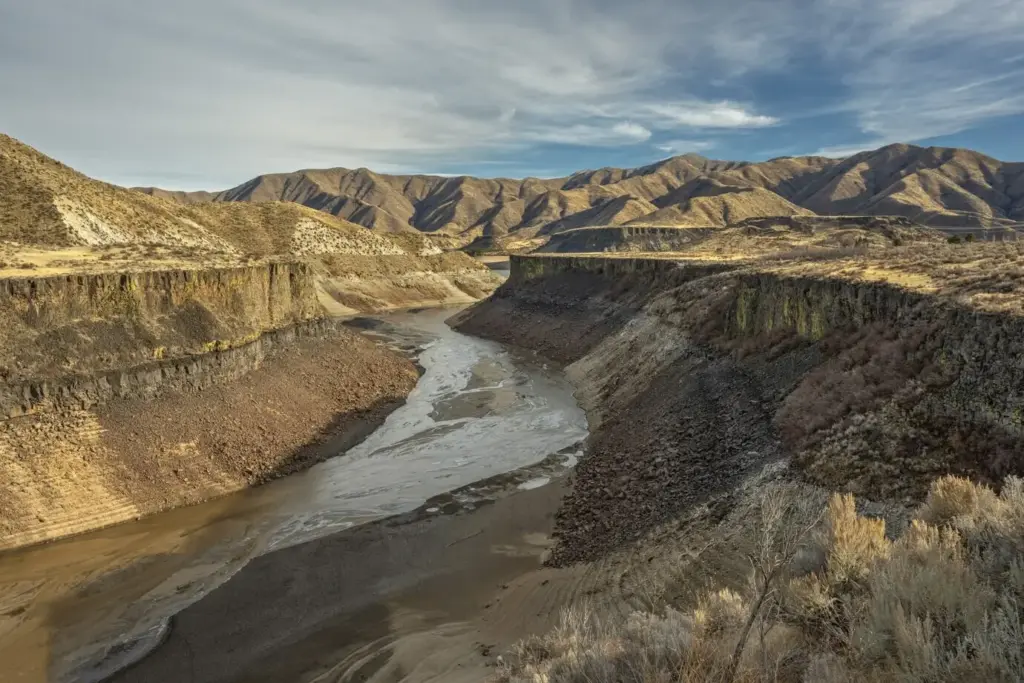
Join us as we explore financing and governance strategies for converting quarries into public parks, moving from scarred landscapes to beloved civic assets. You’ll get actionable playbooks, real-world lessons, and tools to mobilize capital, manage risk, and steward operations. Share your questions, stories, and subscribe to shape future explorations together.

Designing the Capital Stack

Public Funds and Competitive Grants

Pursue municipal allocations and competitive grants that reward water quality improvements, habitat restoration, recreation access, and workforce development. Strengthen applications with credible partnerships, maintenance plans, and equity commitments. Anticipate match requirements, reimbursement rules, and procurement conditions, aligning schedules so design, remediation, and early activation milestones draw funds when deliverables clearly demonstrate accelerating public value.

Impact, Green, and Revenue Bonds

Structure green or sustainability bonds that finance restorative landscapes and climate adaptation while meeting investor diligence on credit strength, coverage ratios, and measurable outcomes. Pair revenue bonds with reliable sources—concessions, leases, or special assessments—then document use-of-proceeds, reporting cadence, and third-party verification to attract long-term, mission-aligned capital at competitive rates and manageable covenants.

Value Capture and Developer Partnerships

Leverage value created by new park edges through tax increment financing, special assessment districts, or negotiated development agreements. Explore ground leases for visitor amenities and research facilities that complement ecology and community needs. Protect affordability and public benefits with transparent policies, ensuring captured value meaningfully supports remediation, universal access, and long-term stewardship obligations.

Choosing Governance Structures That Last

Durable stewardship requires clear decision rights, transparent accountability, and the power to fund operations reliably. Compare municipal management, independent conservancies, and special districts to balance flexibility, community trust, and fiscal stability. Define roles for fundraising, maintenance, programming, and risk management, then adopt bylaws and metrics that survive leadership changes and economic cycles gracefully.

Community Power as Financial Resilience

Authentic engagement reduces permitting risk, stabilizes revenue projections, and attracts mission capital. Co-create priorities with neighbors, workers, and youth organizations, documenting how inclusive design shortens timelines and prevents costly redesigns. Treat civic trust like an asset—tracked, invested in, and grown—because credible participation strengthens every subsequent budget vote, bond issuance, and philanthropic campaign.

Remediation, Safety, and Environmental Risk Financing

Converting quarries demands geotechnical stabilization, water quality management, and habitat repair aligned with public safety. Blend brownfield tools, environmental insurance, and contingency planning to price uncertainty realistically. Stage remediation with proof-of-concept activations that demonstrate benefits early, building momentum, informing design, and anchoring investor confidence through transparent risk registers and adaptive safeguards.

Brownfield Tools, Liability Shields, and Insurance

Access cleanup grants, tax credits, and voluntary remediation programs that clarify responsibilities among current owners, public entities, and future operators. Consider cost-cap and pollution legal liability coverage to contain unknowns. Tie premiums to monitoring plans, contractor qualifications, and documentation standards, translating rigorous environmental management into insurable, financeable project components investors can fully underwrite.

Phasing, Pilot Activations, and Bridge Funding

Sequence work so stabilized overlooks, learning trails, or floating wetlands open first, testing operations while deeper excavation areas await treatment. Use bridge financing, philanthropic challenge grants, and construction manager at-risk approaches to manage timing. Publicly share milestones, lessons, and adjustments, proving progress while avoiding overexposure to remediation surprises or unrealistic schedule promises.

Stability, Water, and Biodiversity as Operating Expenses

Budget for ongoing slope monitoring, stormwater filtration, and habitat stewardship rather than one-time fixes. Endow key functions or create reserve policies triggered by rainfall thresholds and visitor volumes. Track metrics—turbidity, species counts, trail incidents—and publish results, turning compliance into a narrative of ecological improvement that sustains funding and strengthens community pride.

Operating Models, Revenues, and Contracts

Match operating models to landscapes, visitation patterns, and equity goals. Combine earned income, public subsidy, and philanthropy with cost discipline, predictable service levels, and data-informed programming. Use contracts that reward performance, incentivize stewardship, and protect public interest, ensuring the park thrives through seasons, leadership changes, and economic headwinds without drifting from mission.

Concessions, Programs, and Earned Income

Curate concessions aligned with place: climbing guides near safe rock faces, kayak rentals on managed waters, cafés by gathering lawns, and classrooms within rehabilitated structures. Use transparent fee schedules, living-wage requirements, and reinvestment clauses. Expand memberships and educational partnerships that stabilize cash flow while preserving free access days and inclusive programming for all.

Endowments, Sinking Funds, and Reserve Policies

Anchor financial resilience by combining an endowment for stewardship, a sinking fund for capital replacements, and an operating reserve sized by revenue volatility. Publish investment policies, spending rules, and ethical screens. Invite community donors to fund named stewardship roles, translating generosity into visible care, better response times, and credible commitments across decades.

Performance-Based Contracts and Adaptive Management

Tie vendor compensation to measurable outcomes: pavement condition, restroom cleanliness scores, habitat indicators, and visitor satisfaction. Include weather contingencies, training requirements, and continuous improvement cycles. Share dashboards publicly and recalibrate scopes annually, allowing innovation to flourish while guarding against cost creep, deferred maintenance, or practices that compromise accessibility and environmental health.

Field-Tested Lessons from Quarry Transformations

Around the world, former extraction sites have become treasured public landscapes, offering replicable financing and stewardship insights. Learn from gardens carved into limestone pits, urban parks layered over historic quarries, and botanical restorations that balance tourism with research. Compare governance choices, community partnerships, and revenue mixes, then share your local examples to enrich collective practice.

Community Conservancy Success: Gardens from Stone

Philanthropic leadership and nonprofit governance have turned abandoned pits into destination gardens, proving that clear missions and diversified income can sustain complex horticulture. Carefully structured agreements safeguard public access while enabling specialized care, seasonal programming, and volunteer networks that amplify dollars, deepen belonging, and spread stewardship knowledge through schools, clubs, and neighborhood groups.

Urban Integration: Transit, Edges, and Mixed Revenue

Projects integrated with transit, housing, and cultural venues multiply benefit and reduce operating risk. Active edges bring eyes on the park, while mixed revenue from leases, events, and learning programs cushions downturns. Transparent ground rules prevent over-commercialization, preserving restorative experiences, equitable access, and ecological integrity that attract residents, visitors, and long-term supporters alike.


Laxinexoravo
Privacy Overview

This website uses cookies so that we can provide you with the best user experience possible. Cookie information is stored in your browser and performs functions such as recognising you when you return to our website and helping our team to understand which sections of the website you find most interesting and useful.