Quarries Reimagined: Reading Industrial Heritage in Open Landscapes

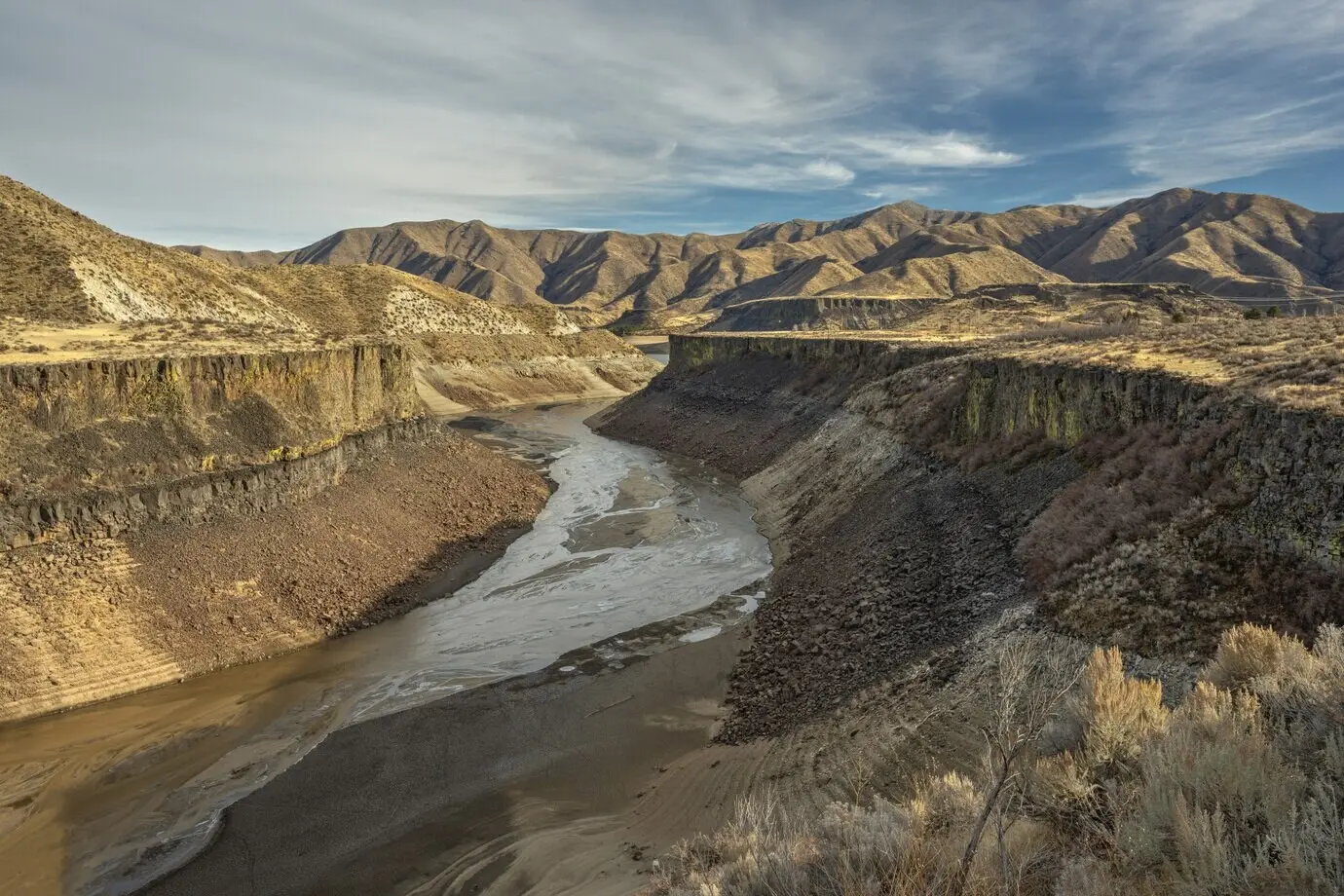
Today we explore interpreting industrial heritage within reimagined quarry open spaces, turning once-extractive grounds into places of learning, reflection, and delight. We will uncover ways design, ecology, storytelling, and community collaboration can reveal machinery traces, worker memories, and layered stone histories without freezing these living places in nostalgia or erasing difficult truths.

From Extraction to Experience

Across the world, disused quarries are shifting from guarded perimeters to welcoming commons where scars, rails, and tool marks become legible narratives. Thoughtful interpretation helps visitors feel the weight of labor and ingenuity while embracing new uses—walking, climbing, art—so that the site’s industrial past enriches, rather than conflicts with, contemporary public life and environmental recovery.

Reading the Layers of Stone

Look closely at bedding planes, drill holes, and plug-and-feather marks that record decisions made by crews working against time, weather, and geology. Subtle brass inlays, shadow lines, and tactile rubbings invite hands and eyes to follow the quarrier’s logic, transforming raw technical traces into accessible storytelling that rewards curiosity and teaches visitors how to see.

Listening to Workers’ Echoes

A bench with discreet speakers shares fragments from oral histories: a foreman recalling winter blasts, a driver describing dawn convoys, a daughter remembering laundry dusted with stone powder. Multilingual transcripts, sign-language videos, and quiet alcoves honor dignity and complexity, turning individual memories into a shared chorus that deepens empathy without romanticizing hardship.

Mapping Invisible Infrastructures

Many systems were dismantled—tramways, conveyors, cranes—yet their alignments remain. Low gabion ridges trace former tracks, etched steel plates diagram removed pulleys, and a modest augmented-reality cue reveals how stone once traveled. By mapping absence with care, the site teaches logistics as a spatial story, connecting pits, workshops, railheads, and distant city building sites.

Wayfinding that Tells Stories

Instead of arrows alone, wayfinding can sequence moments: a change in paving marks the quarry’s edge; stenciled dates on steps align with production booms; a handrail notch frames a former crane swing. Each cue works functionally while unlocking context, encouraging exploration without overwhelming visitors with too much information in one place.

Material Palettes that Speak

Corten steel echoes weathered machinery, reclaimed timbers reference staging decks, and stone offcuts become seating that literally carries the site’s substance. These choices reduce waste and communicate continuity. When visitors touch a bench made from drill-core remnants, they feel memory embedded in matter, discovering interpretation through fingertips rather than only through panels or screens.

Ecology as Storyteller

Succession as Living Timeline
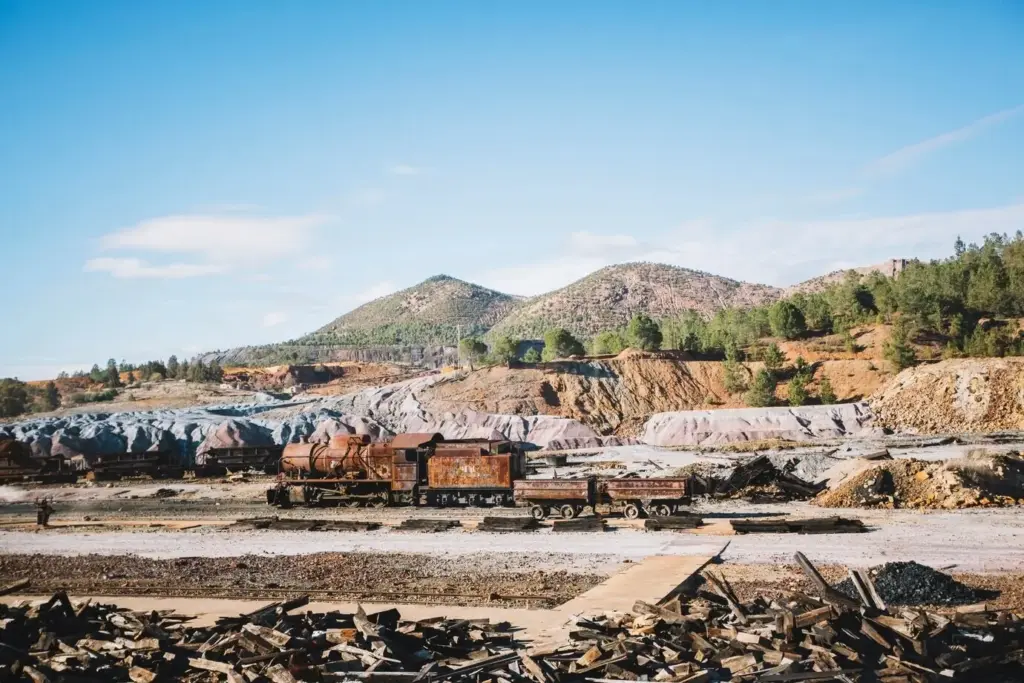
A loop trail moves from bare rock to moss films, shrub thickets, and young woodland, each zone paired with gentle explanations. Dates on posts correspond to aerial images, showing how quickly life improvises after machines retreat. By framing regrowth as an unfolding story, visitors witness time’s patient craft enriching the site’s material memory.

Water Traces and Reflective Pools

Sumps become lenses where rust, lime, and algae sketch delicate color fields. Boardwalk stops describe groundwater, dewatering pumps, and the chemistry of stone. Safe edges and citizen-science kits invite sampling that respects regulations. Looking down, people see both sky and strata, connecting extraction voids with replenishment and the broader watersheds that once received quarry runoff.

Acoustics, Wind, and Shade

Sound carries differently within cliff amphitheaters, where a whisper might bloom. Wayfinding recommends quiet zones to notice kestrel calls, leaf tremors, and distant city hums. Shade pockets preserve moisture, shaping plant communities and comfort. By interpreting microclimates, designers help visitors recognize how former cuts now choreograph weather, wildlife, and human movement.

Stabilization without Sanitization

Engineers pin critical faces and design fall protection that respects sightlines. Buffers are planted with hardy species that also deter risky scrambling, while discreet monitoring tracks seasonal movement. Interpretive notes explain why certain areas remain closed, reframing restrictions as stewardship practices that keep the site’s integrity intact while preventing tragedies that would compromise its future.

Inclusive Routes and Multi-Sensory Cues

Gentle slopes run parallel to stair climbs, tactile maps outline ledges, and audio beacons guide visitors through echo-prone passages. Seating appears where gradients steepen, offering places to rest and reflect. These layers turn access into hospitality, supporting dignity and independence while opening the quarry’s stories to people with diverse bodies, ages, and energies.

Seasonal Operations and Resilience

Policies adapt to ice, storms, heat, and drought. Staff drills pair rescue readiness with empathetic visitor communication. Materials are chosen for freeze-thaw cycles and vandal resistance, ensuring signage remains legible. By narrating these behind-the-scenes efforts, the public understands that care, not control, keeps the quarry safe, open, and cherished year after year.

Community Co-Creation and Stewardship

Interpretation gains soul when neighbors shape it. Workshops invite residents to annotate maps with family stories, while schools document tools borrowed from attics. Volunteer docents, former workers, and local artists help translate technical processes into relatable scenes, strengthening trust and creating pride that outlasts any single exhibition season or funding cycle.

Ethical Artifact Practices

People often find bolts, drill steels, or nameplates. Clear guidelines discourage removing items while offering pathways for responsible donation, documentation, or loan. A small open lab photographs contributions and records provenance, ensuring stories remain attached to objects. Transparency builds confidence that community knowledge is respected, credited, and kept accessible for future generations.

Intergenerational Walks and Story Swaps

Monthly walks pair retired operators with teenagers collecting audio on simple recorders. Prompts encourage specifics—shift whistles, lunch wagons, first-day nerves—capturing texture beyond dates. Back at the pavilion, people swap sketches and photographs. These gatherings seed friendships and living archives, reminding everyone that heritage flourishes when voices meet on equal, welcoming ground.

Living Archives and Maker Days

Pop-up scanning stations digitize photographs while a maker tent teaches safe stone tooling using offcuts. Designers prototype inclusive signs with community feedback, iterating language together. The archive grows in public view, demystifying curation and ensuring residents see themselves reflected. Stewardship becomes celebratory, hands-on, and durable because people help build what they will later protect.

Culture, Creativity, and Local Economies

Cottage Industries and Circular Materials

Stone offcuts become tabletops, bookends, and sculptural stools sold through a cooperative store that returns revenue to maintenance. Training programs upskill residents in safe fabrication and repair. Clear labeling explains material origins, connecting purchases to place. Circular practices turn remnants into livelihoods, reinforcing the site’s commitment to frugality, creativity, and tangible local value.

Performance in the Pit

The quarry’s acoustics host poetry, dance, and chamber concerts staged with minimal infrastructure to protect cliffs and habitats. Curators commission works that engage labor histories and geology, inviting audiences to listen with their bodies. Evening performances pair with guided twilight walks, weaving culture and landscape into shared experiences that linger long after applause fades.

Measuring Impact Beyond Visitors

Attendance tallies are not enough. Track habitat quality, small-business growth, resident satisfaction, and accessibility improvements. Publish dashboards that explain tradeoffs and celebrate iterative progress. By evaluating social, ecological, and economic indicators together, the project learns responsibly, building legitimacy and funding pathways that align with its long-term commitments to place and people.

Lessons from Notable Transformations

Comparative stories help teams avoid pitfalls and borrow bright ideas. Projects that succeed tend to phase construction, foreground maintenance, share governance, and design for multiple readings—children, experts, neighbors, first-time tourists. Reflection across contexts sharpens judgment, reminding us that every quarry is particular and deserves listening before any grand gesture is drawn.
Laxinexoravo
Privacy Overview

This website uses cookies so that we can provide you with the best user experience possible. Cookie information is stored in your browser and performs functions such as recognising you when you return to our website and helping our team to understand which sections of the website you find most interesting and useful.